Metabolic Resistance: What Is It & How Do We Manage It
7/27/2025 | Ag News & Insights | Soil & Nutrition
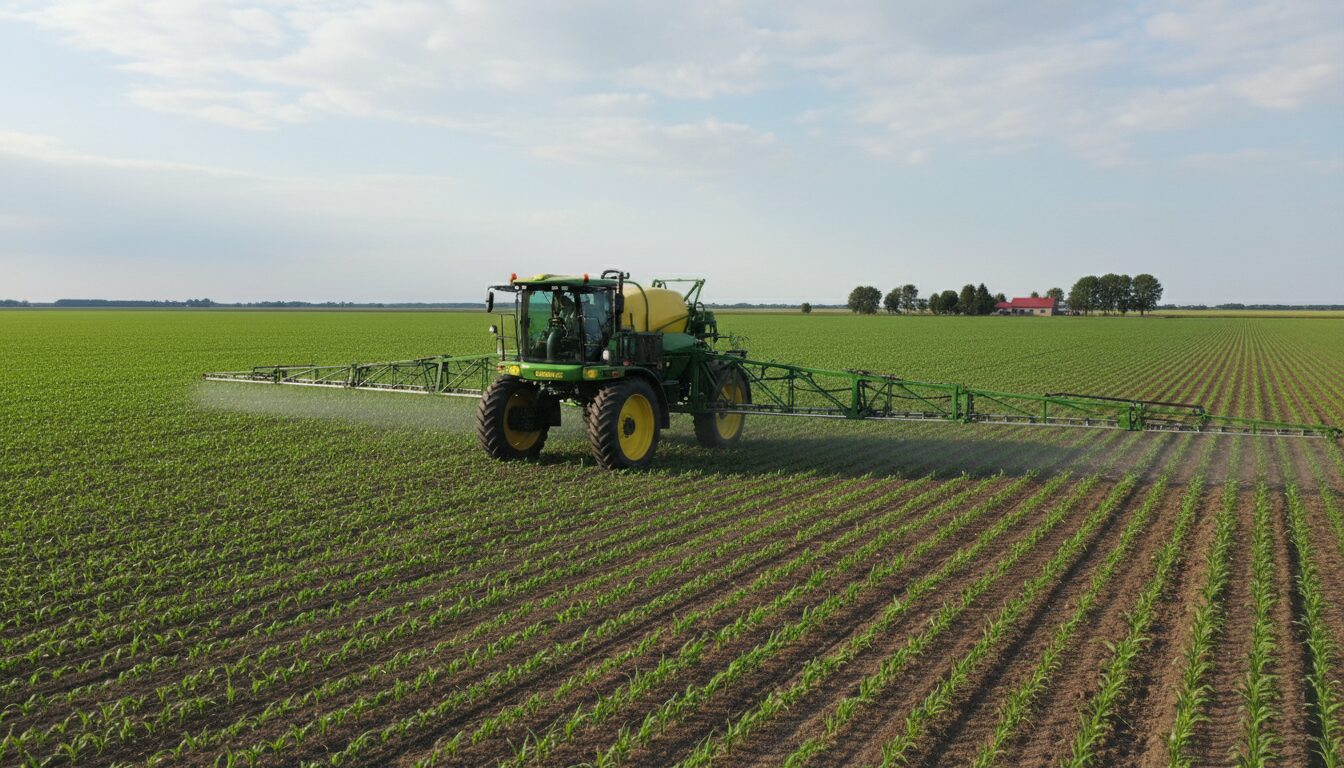
Understanding the nature of Metabolic Resistance requires that we first review the more familiar pathway toward herbicide resistance – Target Site Resistance.
Target Site Resistance (TSR) involves a specific genetic mutation within the cells of a targeted weed species that reduces the efficacy of a previously effective herbicide.
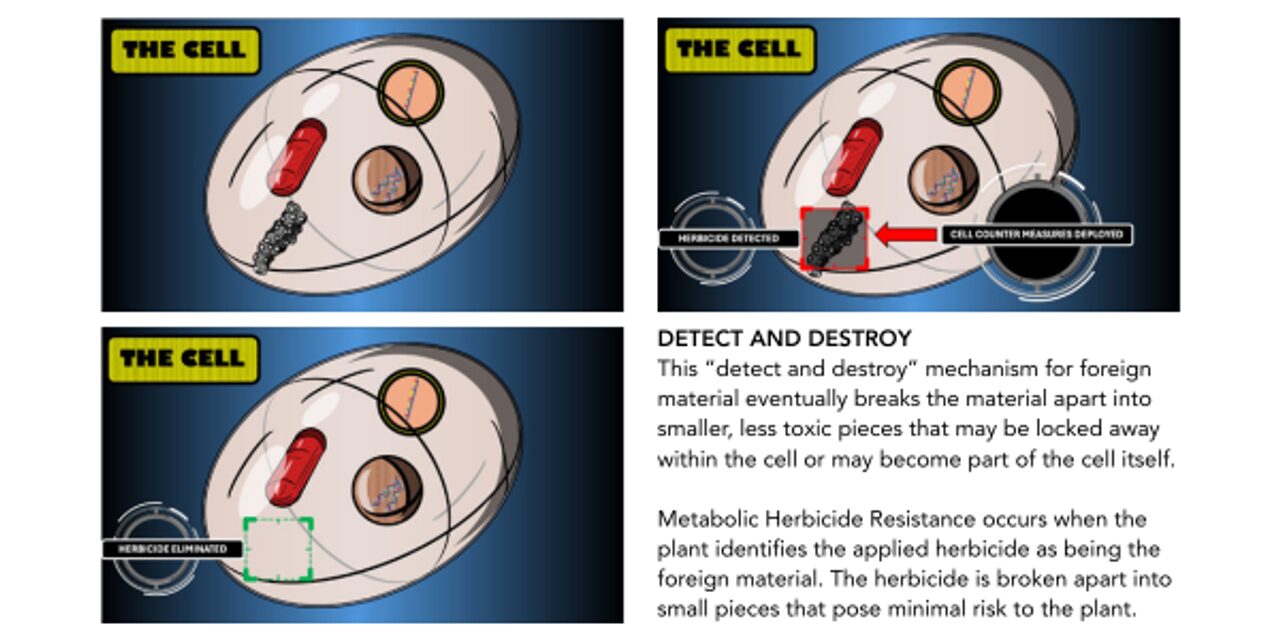
Agriculturalists have often managed TSR by simply bringing in a different, unrelated herbicide. Metabolic Resistance generates herbicide resistance in weeds through a much different process. Plant cells constantly defend themselves from foreign material entering the cell. The cell cannot completely exclude foreign material, so it must therefore detect and destroy foreign substances for the sake of its own health.
This “detect and destroy” mechanism for foreign material eventually breaks the material apart into smaller, less toxic pieces that may be locked away within the cell or may become part of the cell itself. Metabolic Herbicide Resistance occurs when the plant identifies the applied herbicide as being the foreign material. The herbicide is broken apart into small pieces that pose minimal risk to the plant. The unfortunate reality of Metabolic Herbicide Resistance is that the plant may be able to use this defensive process against a host of unrelated herbicides. Bringing in a different herbicide family does not necessarily work when the resistance culprit is metabolic.
The potential exists for large swaths of the herbicide spectrum to be rendered ineffective, a troubling prospect given the fact that new herbicide modes of action have not been developed for decades. It also proves troublesome for the development of future herbicide mode of action families, which could be vulnerable to Metabolic Resistance before they are ever released.
"Article Highlight or featured quote can go here” - Yorem ipsum dolor sit amet, consectetur adipiscing elit. Nunc vulputate libero et velit interdum, ac aliquet odio mattis."
Recommendations for Managing Metabolic Resistance
The following Metabolic Resistance Management recommendations have been presented by Dr. Aaron Hager, University of Illinois Weed Scientist.
- The primary focus of Metabolic Resistance management should be on decreasing the weed seed bank. This means that weeds must be eliminated before they ever go to seed.
- A robust residual herbicide program should be used, not because residuals represent a different herbicide family but because they eliminate weeds at the earliest growth stages – slashing contributions to the weed seed bank.
- Physically cutting weeds out of the crop must be included in the management plan, because physical elimination of weed escapes further slashes contributions to the weed seed bank.
- Post-herbicide programs should shift from calendar-based timing to scouting-based timing. Once weeds break through a pre-emerge residual program, they must be eliminated. Such early targeting further slashes contributions to the weed seed bank.
- Mechanical techniques, field cultivators, etc., should be used where possible to further the cause of decreased seed production.
