Sap & Tissue Testing
Why In-Season Plant Testing Matters
Key Benefits
Detects Hidden Hungry Early
Plant testing can reveal nutrient deficiencies before visual symptoms appear, allowing corrective action before yield is impacted.
Confirms Nutrient Uptake
Even when soil tests look adequate, tissue and sap testing show whether nutrients are actually reaching the plant and being used effectively.
Supports Adjustments
In-season results help fine-tune fertility, foliar nutrition, and nitrogen management when crops can still respond.
In-Season Testing to Fine-Tune Nutrition and Support Better Crop Performance
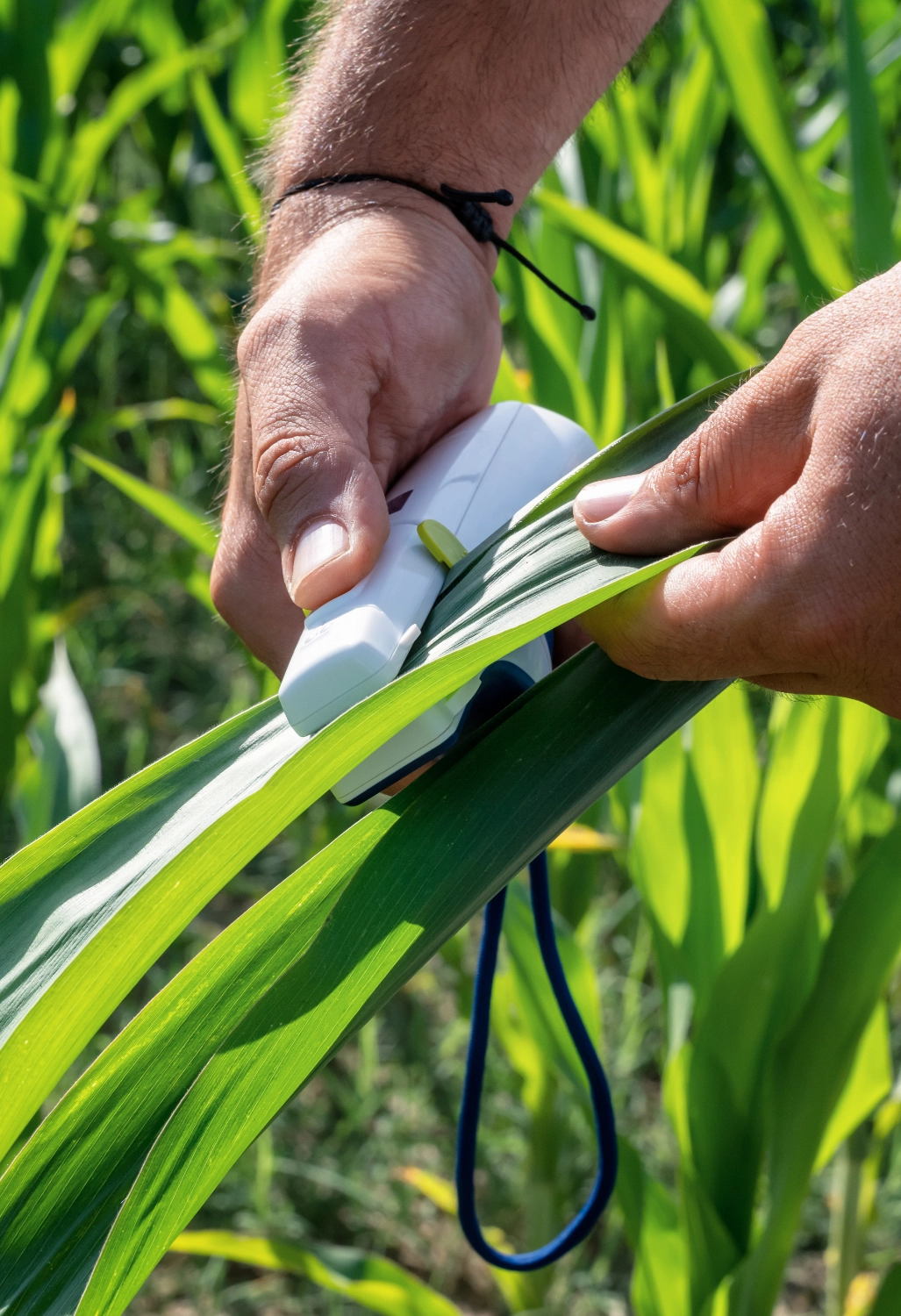
In-season plant testing gives a clearer picture of how crops are actually responding to fertility programs during the growing season. By analyzing plant tissue and sap, Epic Ag helps growers understand nutrient uptake, balance, and performance beyond what soil tests alone can show.
Tissue and sap testing work together to identify hidden deficiencies, nutrient imbalances, and uptake issues early—while there’s still time to respond. When paired with soil data, crop stage, and field conditions, these tools support timely adjustments that protect yield potential and improve nutrient efficiency.

Let us help you choose the right products for your fields.
Process
Understanding Tissue and Sap Testing
Plant testing is a simple but powerful process that turns in-season plant samples into clear, actionable information. By collecting the right plant material at the right time and pairing results with field data, Epic Ag helps you understand both nutrient uptake and real-time plant activity so you can respond effectively in season.
Tissue Testing
Tissue testing analyzes dried plant material to measure nutrients stored within the plant. It provides a reliable snapshot of nutrient status at a specific growth stage and is commonly used to evaluate overall fertility programs and confirm nutrient sufficiency.
Sap Testing
Sap testing measures nutrients actively moving through the plant at the time of sampling. Because sap reflects real-time nutrient availability and balance, it can detect issues earlier and support quicker, more responsive in-season decisions.
Targeted Sampling
Specific plant parts are collected at defined growth stages to ensure meaningful results. Proper timing and technique are critical to accurately reflect plant nutrient status.
Laboratory Analysis
Samples are submitted to trusted laboratories for detailed nutrient analysis. Tissue tests measure stored nutrients, while sap tests evaluate nutrients in their soluble, active form.
Results Interpretation
Results are reviewed alongside soil tests, crop stage, weather conditions, and field history. This complete view helps identify deficiencies, imbalances, or uptake limitations and guides practical in-season recommendations.
